Source Adult Maca Root Capsules for Energy, Hormones, and Vitality
Find 30 verified adult maca root capsules from global suppliers. Compare specifications including GMP and HACCP certifications, dosage forms, and packaging options to identify suitable herbal supplements for your business needs; compare the available evidence and request quotations based on your requirements.
Key considerations
Products List




Comprehensive Sourcing Guide
Adult Maca Root Capsules Sourcing Guide
Sourcing adult maca root capsules requires a disciplined approach to verifying product authenticity, regulatory compliance, and supplier reliability. Buyers must navigate a market where claims of organic status, decaffeination, and specific health benefits are common but require rigorous validation. The core keyword highlights a niche within the broader herbal supplement sector, focusing on adult consumers seeking natural energy and vitality support. Procurement teams need to distinguish between generic bulk ingredients and finished, branded capsule products that meet specific quality standards.
This guide provides evidence-based procurement strategies for sourcing high-quality maca root capsules. It emphasizes the importance of verifying certifications such as GMP, HACCP, and ISO, which are critical for ensuring product safety and consistency. By focusing on technical specifications, compliance documentation, and commercial terms, buyers can mitigate risks associated with counterfeit or substandard products. The following sections detail the essential steps for evaluating suppliers and ensuring that the final product aligns with your brand’s quality expectations and regulatory requirements.
Product Scope and Observed Listing Signals
The observed product landscape for adult maca root capsules reveals a diverse range of offerings, with prices ranging from $0.08 to $28 per unit and minimum order quantities (MOQs) spanning from 1 to 100,000 units. This wide variance indicates a market segmented by volume, customization, and brand positioning. Buyers should note that lower-priced items often correspond to higher MOQs and basic packaging, while premium-priced options may include private labeling, organic certifications, and smaller batch sizes. Understanding these signals helps in aligning procurement strategies with specific business models, whether focusing on mass distribution or niche, high-value retail channels.
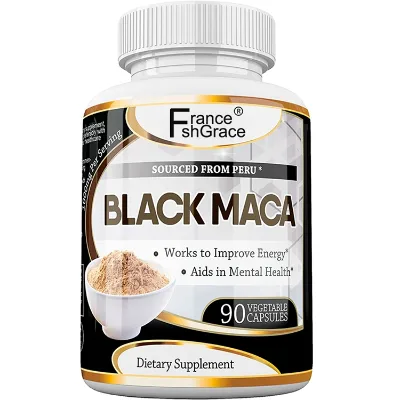
Product attributes frequently highlight features such as being sugar-free, low-fat, decaffeinated, and organic, catering to health-conscious adult consumers. The primary ingredient is consistently identified as maca root, with dosage forms typically being capsules containing 500 mg or 800 mg per unit. Some listings specify 90 capsules per box, while others offer 60 capsules per bottle. Buyers must verify these specifications against their own product requirements, as inconsistencies in dosage, capsule count, and ingredient purity can significantly impact product efficacy and consumer satisfaction.
Technical Specifications to Verify
Technical verification begins with confirming the model numbers and specifications provided by suppliers, such as M-004, P01, S01, S02, and H10. These identifiers often correlate with specific capsule strengths, packaging formats, and blister counts, such as 10 capsules per blister or 800 mg per capsule. Buyers should request detailed specification sheets that outline the exact composition, including the presence of vitamins and the absence of caffeine, sugar, and salt. Ensuring that the product matches the declared model number is crucial for maintaining consistency across supply chains and avoiding discrepancies in final product quality.
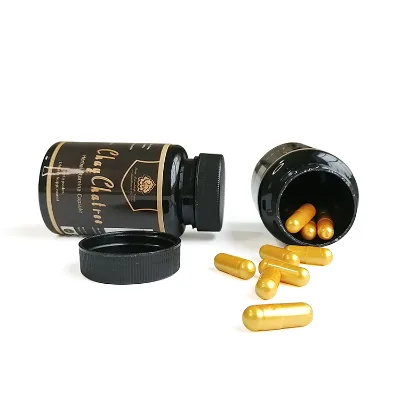
Packaging and storage requirements are also critical technical aspects to verify. Products are typically packaged in boxes, bottles, blisters, or bulk containers, with storage instructions specifying cool, dry, and moisture-proof conditions. The shelf life is generally stated as 24 months or 2 years, but buyers must confirm that this duration is maintained under recommended storage conditions. Additionally, the appearance of the capsules, often described as light yellow, should be consistent with high-quality maca root extract. Verifying these details ensures that the product remains stable and effective throughout its distribution lifecycle.
Compliance and Safety Documentation
Compliance with international and local regulations is paramount when sourcing adult maca root capsules. Buyers should verify that suppliers hold relevant certifications such as QS, HACCP, GMP, ISO, KOSHER, and NOP. These certifications indicate adherence to strict quality management systems and food safety standards. It is essential to request copies of these certificates and confirm their validity with the issuing bodies. Non-compliance can lead to regulatory hurdles, product recalls, and reputational damage, making thorough due diligence a critical step in the procurement process.
Safety documentation should also include a Certificate of Analysis (CoA) for each batch, detailing test results for contaminants, heavy metals, and microbial counts. Buyers must ensure that the product is suitable for the intended demographic, excluding pregnant women, teenagers, children, and newborns. The label should clearly state the applicable and non-applicable populations to prevent misuse. Additionally, verifying that the product is decaffeinated and free from unnecessary additives aligns with health-conscious consumer expectations and regulatory requirements for herbal supplements.
Cost Drivers and Commercial Terms
Cost drivers for adult maca root capsules include the quality of the raw maca root, the complexity of the manufacturing process, and the level of customization required. Organic certification, decaffeination, and specific dosage forms can increase production costs, leading to higher unit prices. Buyers should analyze the price range of $0.08 to $28 to understand the value proposition of different suppliers. Lower prices may indicate bulk purchasing or basic packaging, while higher prices often reflect premium ingredients, smaller MOQs, and private labeling services.
Commercial terms such as MOQ, lead times, and payment conditions significantly impact procurement strategy. MOQs ranging from 1 to 100,000 units allow for flexibility, enabling buyers to start with small test orders or scale up for large distributions. Buyers should negotiate favorable terms that align with their inventory management and cash flow requirements. Additionally, understanding the supplier’s production capacity and reliability is crucial for ensuring timely delivery and maintaining consistent supply, especially for high-demand products.
Supplier Qualification and Quality Control
Supplier qualification involves assessing the manufacturer’s production capabilities, quality control processes, and track record. Buyers should verify the supplier’s location, such as Guangdong, China, or Thailand, and evaluate their experience in producing herbal supplements. Requesting samples is a critical step to assess product quality, appearance, and packaging. Buyers should conduct thorough inspections of the samples, checking for consistency in capsule size, color, and labeling accuracy.
Quality control measures should include regular audits of the supplier’s facilities and processes. Buyers should ensure that the supplier adheres to Good Manufacturing Practices (GMP) and maintains a robust quality management system. Implementing incoming quality checks upon receipt of goods is essential to detect any deviations from the agreed specifications. Establishing a clear communication channel with the supplier for addressing quality issues and implementing corrective actions is vital for maintaining product integrity and customer satisfaction.
Long-Term Procurement Checks
Long-term procurement success depends on continuous monitoring of supplier performance and product quality. Buyers should establish key performance indicators (KPIs) such as on-time delivery, defect rates, and customer feedback to evaluate supplier reliability. Regular reviews of these metrics help identify potential issues early and facilitate proactive problem-solving. Maintaining a diversified supplier base can also mitigate risks associated with supply chain disruptions and ensure business continuity.
Staying updated on regulatory changes and market trends is crucial for adapting procurement strategies. Buyers should monitor developments in herbal supplement regulations, consumer preferences, and competitive landscapes. Engaging in ongoing dialogue with suppliers about new product innovations and improvements can enhance the value proposition. By fostering strong, collaborative relationships with suppliers, buyers can secure a steady supply of high-quality adult maca root capsules that meet evolving market demands and regulatory standards.
FAQs
What are the key features of these adult maca root capsules?
These adult maca root capsules are decaffeinated, sugar-free, and low-fat. They contain vitamins and are available in organic formulations. The product is designed for men and women, including middle-aged and elderly users. Each capsule typically contains 500 to 800 mg of maca root extract, ensuring a potent herbal supplement for daily health maintenance.
Who should avoid taking these maca root capsules?
Pregnant women, teenagers, children, and newborns should not consume these capsules. The product is specifically formulated for adults, including men and women. It is important to adhere to the recommended dosage of one capsule per day. Individuals with specific health conditions should consult a physician before incorporating this herbal supplement into their routine.
What certifications do these maca root capsules hold?
These capsules hold multiple quality certifications including GMP, ISO, HACCP, and QS. Some variants also feature KOSHER and NOP organic certifications. These credentials ensure that the manufacturing process meets strict international standards for food safety and quality control. Buyers can verify these certifications to ensure compliance with their regional regulatory requirements for imported health supplements.
Can I customize the packaging and logo for these capsules?
Yes, customization is available for both packaging and logo printing. Buyers can choose from bulk, bottle, blister, or box packaging options. Logo printing services are offered to help brands establish their identity. The product specification allows for 60 or 90 capsules per container, depending on the chosen model. This flexibility supports private label opportunities for distributors and retailers.
What is the shelf life and storage requirement for these capsules?
The shelf life of these maca root capsules is 24 months or two years. They must be stored in a cool, dry place to maintain potency. The packaging is moisture-proof to protect the capsules from humidity. Proper storage ensures the integrity of the herbal ingredients. Buyers should check the expiration date upon receipt to ensure optimal freshness and efficacy of the product.
Where are these maca root capsules manufactured?
These capsules are primarily manufactured in Guangdong, China. Some product lines may originate from Thailand. The manufacturing facilities adhere to GMP and ISO standards to ensure quality. Buyers can specify their preferred origin based on supply chain preferences. The location influences logistics and lead times, so it is important to confirm the place of origin during the sourcing process.